Current Landscape of Recycling in Canada
Recycling in Canada has come a long way in recent years, with a growing awareness of the need for sustainable waste management practices. However, the success of recycling programs heavily relies on government policies and regulations. These policies play a crucial role in shaping the recycling industry and driving positive change.
Extended Producer Responsibility (EPR)
One of the key government policies impacting recycling in Canada is Extended Producer Responsibility (EPR). EPR shifts the responsibility of managing waste from municipalities to the producers of the products. This means that manufacturers are now responsible for the entire lifecycle of their products, including their disposal and recycling. EPR encourages producers to design products with recycling in mind and invest in recycling infrastructure.
Impacts of EPR on Recycling
EPR has had a significant impact on recycling rates in Canada. By holding producers accountable for the end-of-life management of their products, EPR has incentivized them to adopt more sustainable practices. This has led to increased recycling rates and a reduction in waste sent to landfills. Additionally, EPR has created opportunities for innovation and investment in recycling infrastructure, further strengthening the recycling industry.
Challenges and Opportunities
While EPR has brought positive changes, it also poses challenges. Producers face the task of redesigning products to be more recyclable and investing in collection and recycling systems. The effectiveness of EPR also relies on collaboration between producers, governments, and consumers. However, the opportunities presented by EPR are immense. It encourages the development of a circular economy, where materials are reused and recycled, reducing the need for raw materials and minimizing waste.
Plastic Bans and Restrictions
In recent years, plastic has become a major environmental concern. To address this issue, the Canadian government has implemented plastic bans and restrictions. These policies aim to reduce the consumption of single-use plastics and promote the use of sustainable alternatives. By limiting the production and distribution of certain plastic products, the government encourages the adoption of eco-friendly materials and supports the growth of the recycling industry.
Effects on Recycling Infrastructure
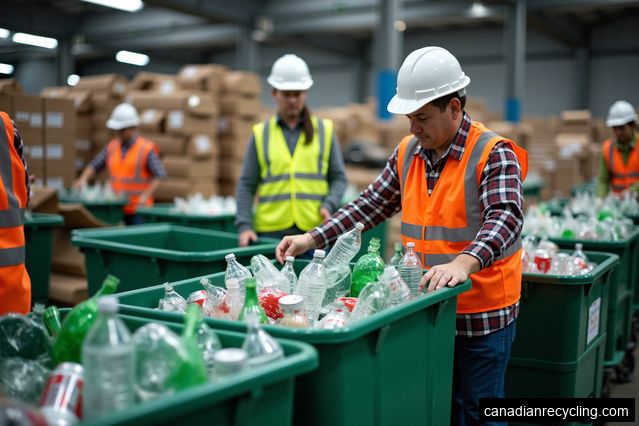
Plastic bans and restrictions have led to a surge in demand for recycling services and infrastructure. Recycling facilities are now tasked with handling larger volumes of plastic waste and ensuring its proper recycling. This has created opportunities for investment in new technologies and facilities that can process and recycle different types of plastic. However, it also presents challenges in terms of capacity and the need for efficient collection and sorting systems.
Future of Recycling in Canada
Government policies and regulations will continue to shape the future of recycling in Canada. As the focus on sustainability and waste reduction grows, it is expected that more stringent policies will be implemented. This includes stricter regulations on packaging design, increased recycling targets, and incentives for the use of recycled materials. The government will also play a crucial role in supporting research and development in recycling technologies and infrastructure.
Collaboration and Education
To ensure the success of recycling initiatives, collaboration between the government, industry, and the public is essential. Governments need to work closely with producers to establish effective EPR programs and regulations. Education and awareness campaigns are also crucial in promoting recycling practices among consumers and encouraging behavior change. By working together, Canada can continue to improve its recycling efforts and move towards a more sustainable future.